


-

Add: HeBei ShengShi HongBang Cellulose Technology CO.,LTD.
-

Email
13180486930@163.com -

CONTACT US
+86 13180486930




Polypropylene fiber is a key solution in the manufacturing industry, specifically within Manufacturing of building materials and Concrete admixture. This article explores how HeBei ShengShi HongBang Cellulose Technology CO.,LTD. supports professionals with durable, high-performance products, and explains why this product is an ideal choice for businesses in these sectors. Table of Contents Polypropylene Fiber Overview Benefits & Use Cases of Polypropylene Fiber in Concrete Admixture Cost, Maintenance & User Experience Sustainability & Market Trends in Manufacturing Conclusion on Polypropylene Fiber from HeBei ShengShi HongBang Cellulose Technology CO.,LTD. Polypropylene Fiber Overview In the demanding world of manufacturing, particularly within the Manufacturing of building materials and Concrete admixture sectors, the integrity and longevity of concrete structures are paramount. This is where polypropylene fiber plays a crucial role. As a high-performance additive, `PP fiber` is designed to enhance the mechanical properties of concrete, mortar, and screeds. It acts as a micro-reinforcement, effectively mitigating plastic shrinkage cracking, a common issue in newly placed concrete. Technically, `polypropylene fibre` is an inert, synthetic material that is highly resistant to alkalis, acids, and salts, making it ideal for harsh construction environments. These `microfiber synthetic` filaments disperse uniformly throughout the concrete mix, creating a three-dimensional network that improves cohesion and reduces permeability. HeBei ShengShi HongBang Cellulose Technology CO.,LTD. stands as a reliable manufacturer, delivering top-quality `polypropylene fiber` that meets stringent industry standards, ensuring superior performance for your concrete projects. Our commitment to quality means that every batch of `PP fiber concrete` additive provides consistent, predictable results for our partners. Benefits & Use Cases of Polypropylene Fiber in Concrete Admixture The integration of polypropylene fiber into concrete admixture offers a multitude of benefits essential for modern construction. Primarily, it significantly reduces plastic shrinkage and settlement cracking, which are initial signs of structural weakness. By incorporating `PP fiber`, concrete gains enhanced toughness, increased impact resistance, and improved abrasion resistance. This makes `PP fiber concrete` an ideal choice for a variety of critical applications such as industrial floorings, pavements, precast elements, and shotcrete, where durability under heavy loads and exposure to wear is crucial. The unique properties of our `microfiber synthetic` products ensure uniform dispersion, preventing segregation and bleeding, leading to a more homogenous and robust concrete matrix. HeBei ShengShi HongBang Cellulose Technology CO.,LTD. leverages extensive expertise in this sector, providing `polypropylene fibre` solutions that are meticulously engineered to optimize performance, minimize maintenance costs, and extend the service life of concrete structures. Our tailored `polypropylene fiber` solutions enable precise dosing, ensuring optimal enhancement for every specific project requirement. Cost, Maintenance & User Experience Investing in high-quality polypropylene fiber from HeBei ShengShi HongBang Cellulose Technology CO.,LTD. translates into significant long-term savings and an excellent return on investment (ROI) for B2B decision-makers in the Manufacturing of building materials sector. While there's an initial cost for the `PP fiber` additive, the durability it imparts to `PP fiber concrete` dramatically reduces the need for costly repairs and maintenance over the lifecycle of a structure. By effectively preventing cracks and enhancing resistance to impact and abrasion, our `microfiber synthetic` solution ensures concrete structures remain sound and functional for longer. Customers in the Manufacturing of building materials sector consistently provide positive feedback, highlighting the ease of integration into existing concrete mixes and the noticeable improvement in concrete performance. The enhanced workability and reduced cracking lead to smoother project execution and fewer post-pour issues, improving overall user experience for contractors and end-users alike. This reliability makes our `polypropylene fibre` an economical choice for projects demanding enduring strength and minimal upkeep. Sustainability & Market Trends in Manufacturing The manufacturing industry, especially within Manufacturing of building materials, is increasingly focused on sustainability and adopting eco-conscious practices. Polypropylene fiber plays a pivotal role in this shift by contributing to more durable and longer-lasting concrete structures, thereby reducing the environmental impact associated with frequent repairs or replacements. As regulatory landscapes evolve to favor greener construction methods, the demand for high-performance additives like `PP fiber` is experiencing significant growth. Our `microfiber synthetic` products help produce concrete that stands the test of time, minimizing waste and resource consumption. HeBei ShengShi HongBang Cellulose Technology CO.,LTD. is at the forefront of this trend, positioning itself as a forward-thinking and eco-conscious provider of `polypropylene fibre`. We are committed to developing sustainable solutions that not only meet current industry demands but also anticipate future requirements for resilient and environmentally friendly `PP fiber concrete` applications. Our dedication extends to ensuring our manufacturing processes are as efficient and low-impact as possible, aligning with global sustainability goals. Conclusion on Polypropylene Fiber from HeBei ShengShi HongBang Cellulose Technology CO.,LTD. In conclusion, polypropylene fiber is an indispensable component for enhancing concrete performance across the manufacturing and Manufacturing of building materials industries, particularly in Concrete admixture. HeBei ShengShi HongBang Cellulose Technology CO.,LTD. provides superior `polypropylene fiber` solutions that deliver exceptional crack control, durability, and cost-effectiveness. Our `PP fiber` and `microfiber synthetic` products empower B2B decision-makers to construct resilient, long-lasting structures while supporting sustainable building practices. Trust HeBei ShengShi HongBang Cellulose Technology CO.,LTD. to be your partner in achieving optimal `PP fiber concrete` results. For high-quality `polypropylene fibre` and expert support, reach out to us today. Contact us: email: 13180486930@163.com Visit our website: https://www.sshbhpmc.com
- 40000tons

Production
- 20+years

Experience
- 5000+㎡

Acreage

-

Polipropilen Tính Năng và Ứng Dụng của Chất Liệu Nhựa Đa Dạng Polipropilen (PP) là một trong những loại nhựa nhiệt dẻo phổ biến nhất trên thế giới. Được phát triển vào những năm 1950, polipropilen đã nhanh chóng trở thành lựa chọn hàng đầu cho nhiều ứng dụng nhờ vào tính năng vượt trội của nó. Tính Năng Nổi Bật Một trong những đặc tính nổi bật của polipropilen là độ bền và khả năng chống va đập tốt. Chất liệu này có thể chịu được tác động bên ngoài mà không bị biến dạng, giúp cho các sản phẩm làm từ polipropilen có độ bền cao hơn. Hơn nữa, polipropilen còn có khả năng chống lại hóa chất, nước, và dầu mỡ, điều này làm cho nó trở thành lựa chọn lý tưởng cho các sản phẩm trong ngành công nghiệp thực phẩm và dược phẩm. Polipropilen cũng nhẹ và có khả năng tái chế cao. Việc này không chỉ giúp tiết kiệm chi phí trong sản xuất mà còn giảm thiểu tác động đến môi trường. Đặc biệt, quá trình sản xuất polipropilen tiêu tốn năng lượng ít hơn so với nhiều loại nhựa khác, điều này là một điểm cộng lớn trong bối cảnh hiện tại khi mà sự phát triển bền vững đang ngày càng được chú trọng. . Polipropilen có một loạt các ứng dụng trong nhiều lĩnh vực khác nhau. Trong ngành công nghiệp đóng gói, polipropilen được sử dụng để sản xuất bao bì cho thực phẩm, đồ uống và các sản phẩm tiêu dùng khác. Với khả năng chống ẩm và hóa chất, bao bì polipropilen giúp bảo quản sản phẩm tốt hơn và kéo dài thời gian sử dụng. полипропилен талшығы Ngoài ra, polipropilen còn được ứng dụng trong sản xuất các sản phẩm gia dụng như thùng chứa, đồ chơi trẻ em, và vật dụng nhà bếp. Khi được xử lý đúng cách, polipropilen có thể được sản xuất dưới dạng các sản phẩm có độ bền cao, chịu nhiệt tốt, và dễ dàng vệ sinh. Tương Lai của Polipropilen Sự phát triển của công nghệ và gia tăng nhu cầu về sản phẩm bền vững sẽ tiếp tục thúc đẩy sự phát triển của polipropilen trong tương lai. Các nhà nghiên cứu đang làm việc để cải thiện quy trình sản xuất, giảm thiểu ô nhiễm và tối ưu hóa khả năng tái chế của loại nhựa này. Điều này không chỉ mang lại lợi ích về mặt kinh tế mà còn góp phần bảo vệ môi trường. Đặc biệt, với xu hướng tiêu dùng thông minh và bền vững đang nổi lên, các sản phẩm làm từ polipropilen dự kiến sẽ ngày càng được ưa chuộng hơn. Người tiêu dùng ngày càng có ý thức hơn về sự lựa chọn của mình, và polipropilen nổi bật như một giải pháp thân thiện với môi trường. Kết Luận Trong bối cảnh phát triển nhanh chóng của công nghệ và sự biến đổi của thị trường, polipropilen vẫn giữ vai trò quan trọng trong nhiều lĩnh vực. Với tính năng vượt trội và khả năng ứng dụng đa dạng, polipropilen không chỉ là một loại nhựa thông thường mà còn là một phần không thể thiếu trong cuộc sống hàng ngày của chúng ta. Hướng tới tương lai, polipropilen hứa hẹn sẽ tiếp tục phát triển và đáp ứng nhu cầu ngày càng cao của người tiêu dùng trong mọi lĩnh vực.
-
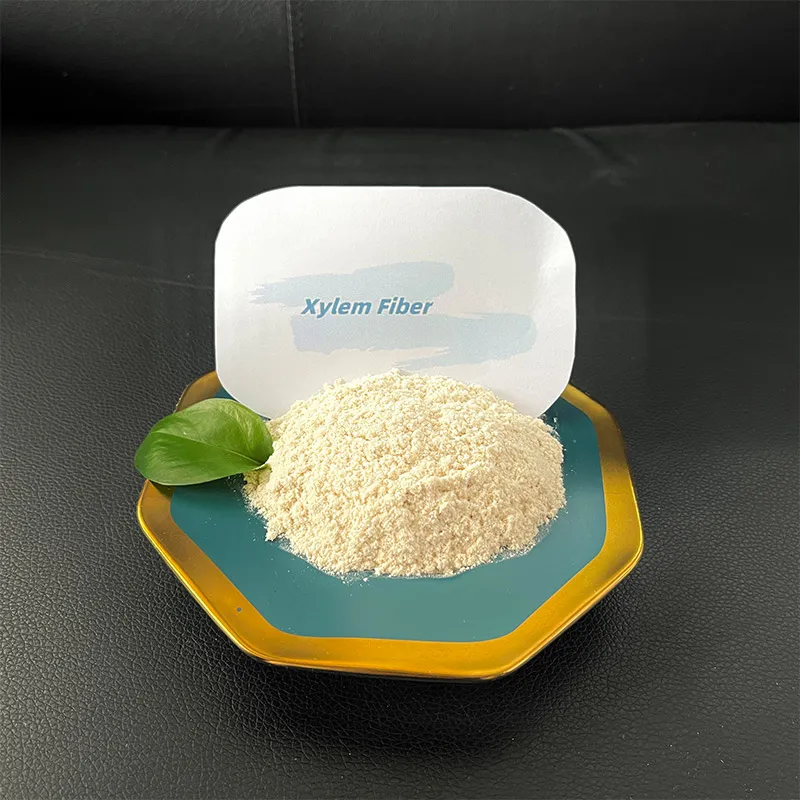
In the pursuit of sustainable and renewable materials, few substances hold as much promise as fibre made from wood pulp . As the world turns away from petroleum-based synthetics like polyester, more attention is being given to bio-based alternatives that are not only environmentally friendly but also high-performing. Among these alternatives, cellulose-based fibers derived from wood pulp stand out for their biodegradability, comfort, and versatility. These fibers are already widely used in textiles, hygiene products, packaging, and even medical applications. But what exactly is fibre made from wood pulp ? How is it connected to cellulose wood pulp ? And what does the extraction of cellulose from wood involve? This article explores the answers to these questions and highlights the significance of cellulose in shaping a greener future. Is Cellulose Wood Pulp? Understanding the Relationship A common question in the bio-materials industry is whether cellulose is wood pulp . The short answer is: not exactly, but they are intimately related. Cellulose is a natural polymer and the main structural component of plant cell walls. In trees, cellulose fibers are bundled with other components such as lignin and hemicellulose. To access cellulose in a usable form, it must be separated from these other substances. Wood pulp refers to the raw, fibrous material produced by mechanically or chemically breaking down wood. It contains a high percentage of cellulose, typically between 40% and 60%, depending on the type of wood and the processing method. Therefore, cellulose is not the same as wood pulp , but wood pulp is a major source of cellulose . Purified wood pulp, especially after the removal of lignin and other impurities, is often referred to as cellulose pulp or dissolving pulp when destined for fiber production. This purified cellulose can then be transformed into regenerated fibers like viscose, lyocell, or modal, which are used in the textile industry. Fibre Made from Wood Pulp: A Renewable Textile Revolution The use of fibre made from wood pulp in textiles is nothing new, but recent advances in green chemistry and growing concerns over environmental sustainability have given these fibers renewed attention. Common regenerated cellulose fibers such as rayon , viscose , lyocell , and modal are all examples of wood-based fibers created through various processing techniques. These fibers offer numerous benefits. They are soft to the touch, highly breathable, and moisture-absorbent, making them ideal for clothing, home textiles, and hygiene products. Unlike synthetic fibers, they are also biodegradable, returning to nature at the end of their life cycle without releasing harmful microplastics. Modern technologies, particularly the closed-loop process used to produce lyocell, have further enhanced the eco-friendliness of these fibers. These methods reduce chemical waste, improve worker safety, and minimize water and energy consumption during manufacturing. As a result, fibre made from wood pulp is now regarded as one of the most sustainable choices for eco-conscious brands and consumers. Extraction of Cellulose from Wood: From Tree to Textile The extraction of cellulose from wood is a sophisticated process that involves several stages. The objective is to isolate cellulose from the other components in wood, mainly lignin and hemicellulose. Depending on the end use of the cellulose—paper, textiles, food additives, or pharmaceuticals—the level of purity required can vary. The most common methods for extracting cellulose include: Mechanical pulping , where wood chips are ground to release the fibers. This process retains much of the lignin and is mainly used in paper production where high whiteness is not necessary. Chemical pulping , particularly the kraft and sulfite processes, involves treating wood chips with chemicals that dissolve lignin and hemicellulose, leaving behind cellulose fibers. The result is a stronger and more chemically pure pulp. Bleaching and purification , which further remove residual lignin and other impurities to produce high-purity cellulose pulp . This purified pulp is ideal for textile fiber production or specialty applications. In the case of producing viscose or lyocell, the purified pulp is dissolved in specific solvents. For example, in the lyocell process, the cellulose is dissolved in N-methylmorpholine N-oxide (NMMO) , a non-toxic, recyclable solvent. The resulting solution is extruded through spinnerets to form continuous fibers that can be spun into yarn and woven into fabric. This method of extracting and converting cellulose into fiber exemplifies how fibre made from wood pulp transitions from a forest resource into a high-performance material suitable for modern textiles. Applications of Cellulose Wood Pulp Beyond Textiles Although fibre made from wood pulp is predominantly used in textiles, the applications of cellulose wood pulp extend far beyond fashion. In the food industry, cellulose is used as a thickener and stabilizer in processed foods, while in the pharmaceutical sector, it serves as a binder and filler in tablets. Cellulose derivatives, such as carboxymethyl cellulose (CMC) and hydroxypropyl methylcellulose (HPMC) , are vital in creating biodegradable films, capsules, and coatings. In the world of packaging, cellulose pulp is being harnessed to create compostable alternatives to plastic. Films made from regenerated cellulose are already being used in food packaging due to their transparency, strength, and biodegradability. As global regulations tighten around single-use plastics, cellulose-based packaging is positioned to become a game-changer. Construction and insulation industries are also exploring the use of cellulose fibers for thermal and acoustic insulation. These fibers are lightweight, non-toxic, and derived from renewable sources, aligning perfectly with green building principles. The adaptability of cellulose wood pulp across industries reinforces its role as one of the most valuable and sustainable raw materials available today. The Environmental Impact of Using Fibre from Wood Pulp One of the primary drivers behind the shift toward fibre made from wood pulp is its reduced environmental footprint compared to synthetic alternatives. Synthetic fibers like polyester are derived from fossil fuels and contribute significantly to greenhouse gas emissions and microplastic pollution. In contrast, cellulose fibers originate from renewable forests and can biodegrade naturally at the end of their use. Moreover, responsible forestry practices and certification systems such as FSC (Forest Stewardship Council) and PEFC (Programme for the Endorsement of Forest Certification) ensure that the wood used to make pulp is harvested sustainably, preserving biodiversity and protecting ecosystems. Innovations in closed-loop production, particularly in lyocell manufacturing, have drastically reduced chemical usage and wastewater output. These advancements demonstrate that fibre made from wood pulp not only performs well but also aligns with principles of environmental stewardship and circular economy. Xylem Fiber FAQs Is cellulose wood pulp the same as fibre? Not exactly. Cellulose is the primary component of wood pulp , and fiber can be made from cellulose after it is extracted and processed. While wood pulp is the raw material, fiber is the finished or intermediate product that can be spun into textiles. What types of fiber are made from wood pulp? Common fibers made from wood pulp include viscose , rayon , modal , and lyocell . These are all examples of regenerated cellulose fibers used in clothing, home textiles, and hygiene products. How is cellulose extracted from wood? Cellulose is extracted through mechanical or chemical pulping, followed by bleaching and purification to remove lignin and hemicellulose. The resulting purified cellulose is then ready for use in textile production or other industries. Is fibre made from wood pulp biodegradable? Yes, fibers derived from wood pulp are biodegradable. They decompose naturally in soil or composting environments, unlike synthetic fibers that persist as microplastics in the environment for decades. Why is fibre made from wood pulp considered sustainable? Fibre from wood pulp is derived from renewable sources and can be manufactured using environmentally responsible processes. It is biodegradable, has a lower carbon footprint than synthetic fibers, and supports the global shift toward sustainable materials.
advantages
-

200000 Viscosities
Excellent product
We can produce pure products up to 200,000 viscosities
-

40000 tons
High yield
We don’t stop production all year round, and the annual output can reach 40,000 tons
-

24 hours
Quality service
We provide 24-hours online reception service, welcome to consult at any time
———— Inquiry Form
Schedule A services
-
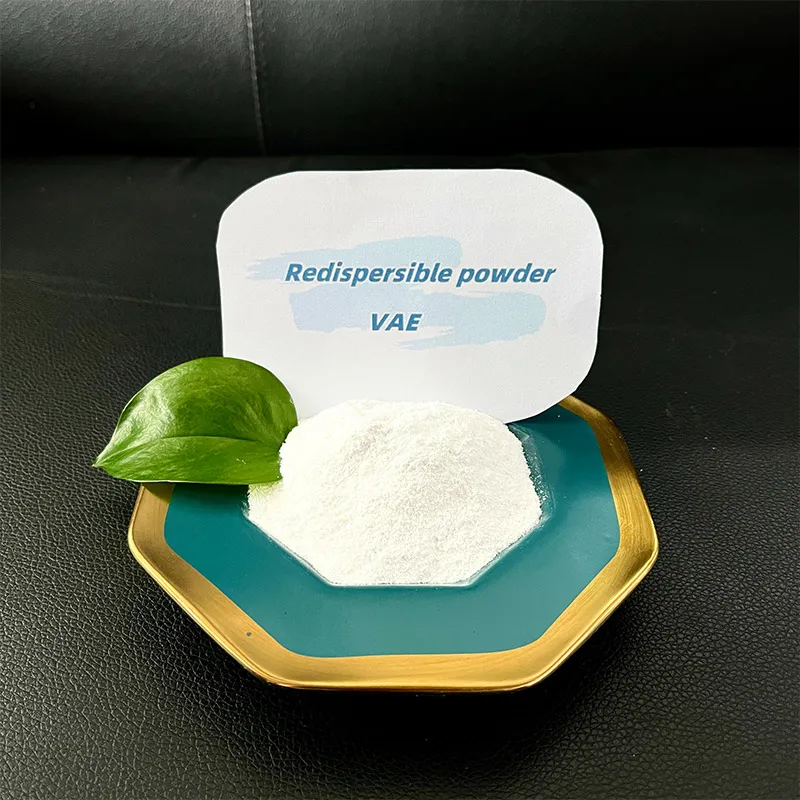 applications_of_rubber_powder_wikipedia
Oct . 25, 2025
Gentamicin with Hydroxypropyl Methylcellulose (HPMC) Eye/Ear Drops A Comprehensive Insight Gentamici -
 hpmc_ophthalmic_solution_usp
Oct . 25, 2025
Understanding Wood Composition Cellulose, Hemicellulose, and Lignin Wood is a remarkable natural mat -
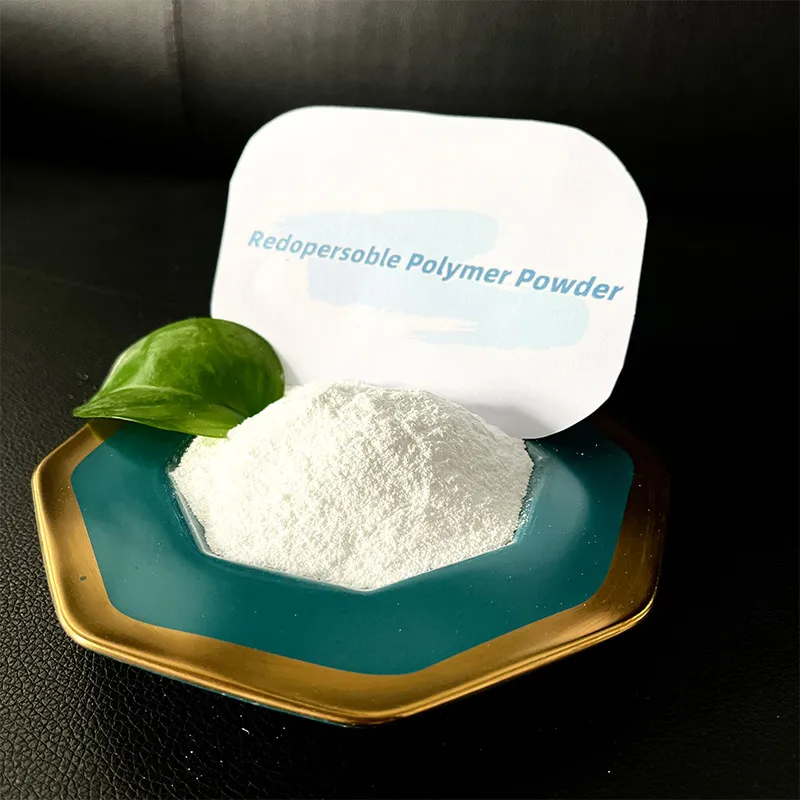 synthetic_acrylic_fibre
Oct . 25, 2025
In the modern construction industry, the performance of building materials is critical to ensuring d


